Review your foundation
Assess aircraft control, flight planning, systems knowledge, and any gaps in required experience.
Fly with greater precision
Refine your flying, strengthen your decision-making, and prepare for your next certificate.
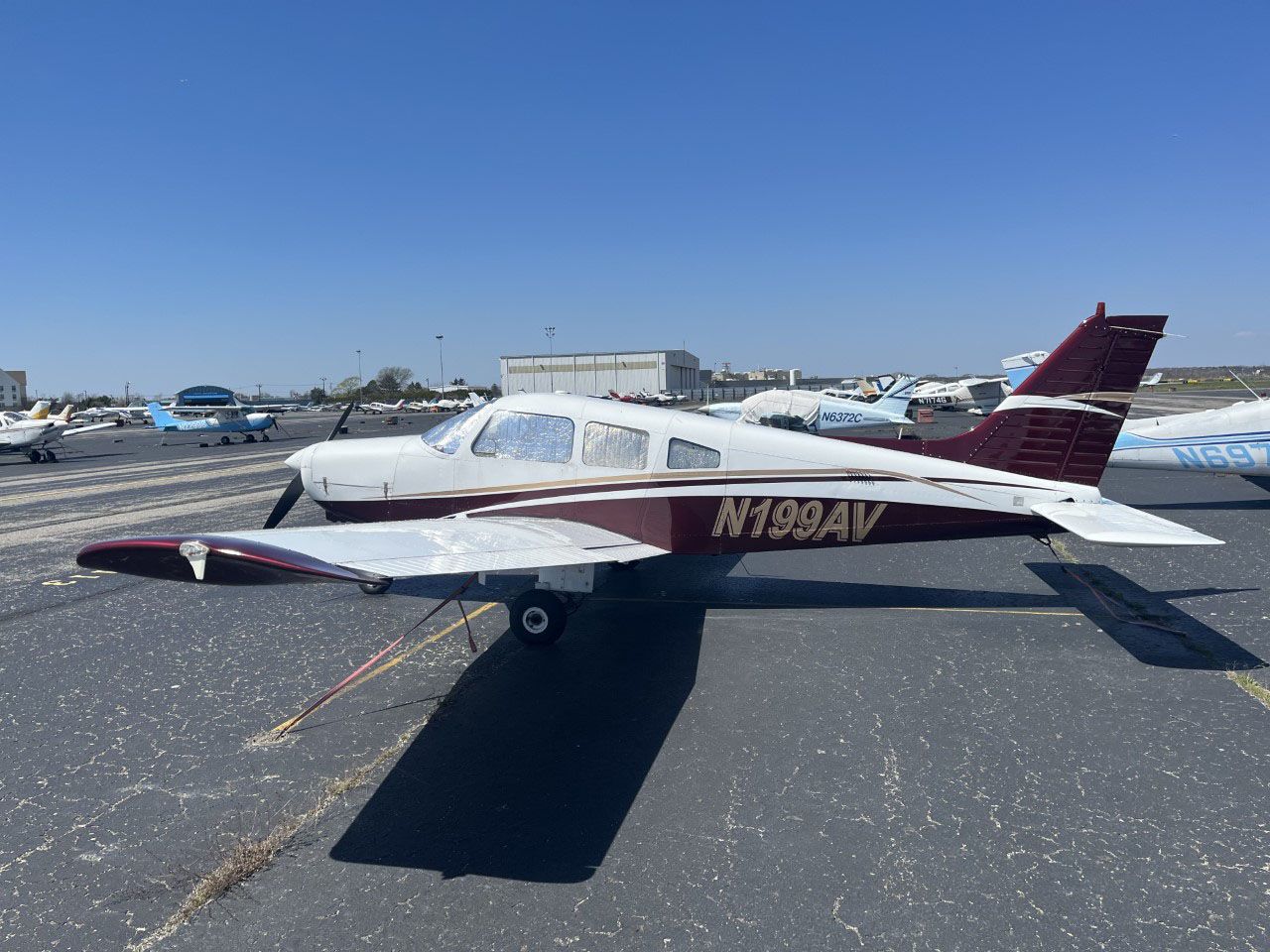
Commercial training builds precision and professional habits on your existing foundation. A commercial certificate permits certain compensated flying, subject to the applicable operating rules and qualifications.
Bring your existing certificates and a current logbook summary. Your instructor will review eligibility, experience, and the aircraft appropriate for your training plan.
Apply, tell us your goals, and we will pair you with an instructor after review. Together, you will build a training plan around your starting point.
Assess aircraft control, flight planning, systems knowledge, and any gaps in required experience.
Practice commercial maneuvers, energy management, accurate landings, and smooth aircraft handling.
Use scenarios involving passengers, weather, performance, and operational decisions to connect knowledge with flying.
Prepare for the knowledge test and practical test, review endorsements, and refine weak areas before your instructor recommends you.
Your schedule depends on your existing experience and proficiency. We will agree on a realistic training plan rather than promise a fixed completion date.
No. Airline work involves additional qualifications and requirements. Commercial training is one step in a longer path.
Your instructor confirms the requirements that apply to you. FAA reference.