Build an instrument foundation
Practice attitude control, scan, navigation, and using the aircraft equipment without losing the bigger picture.
Expand your capabilities
Build a disciplined instrument scan and learn to manage a flight from clearance to approach.
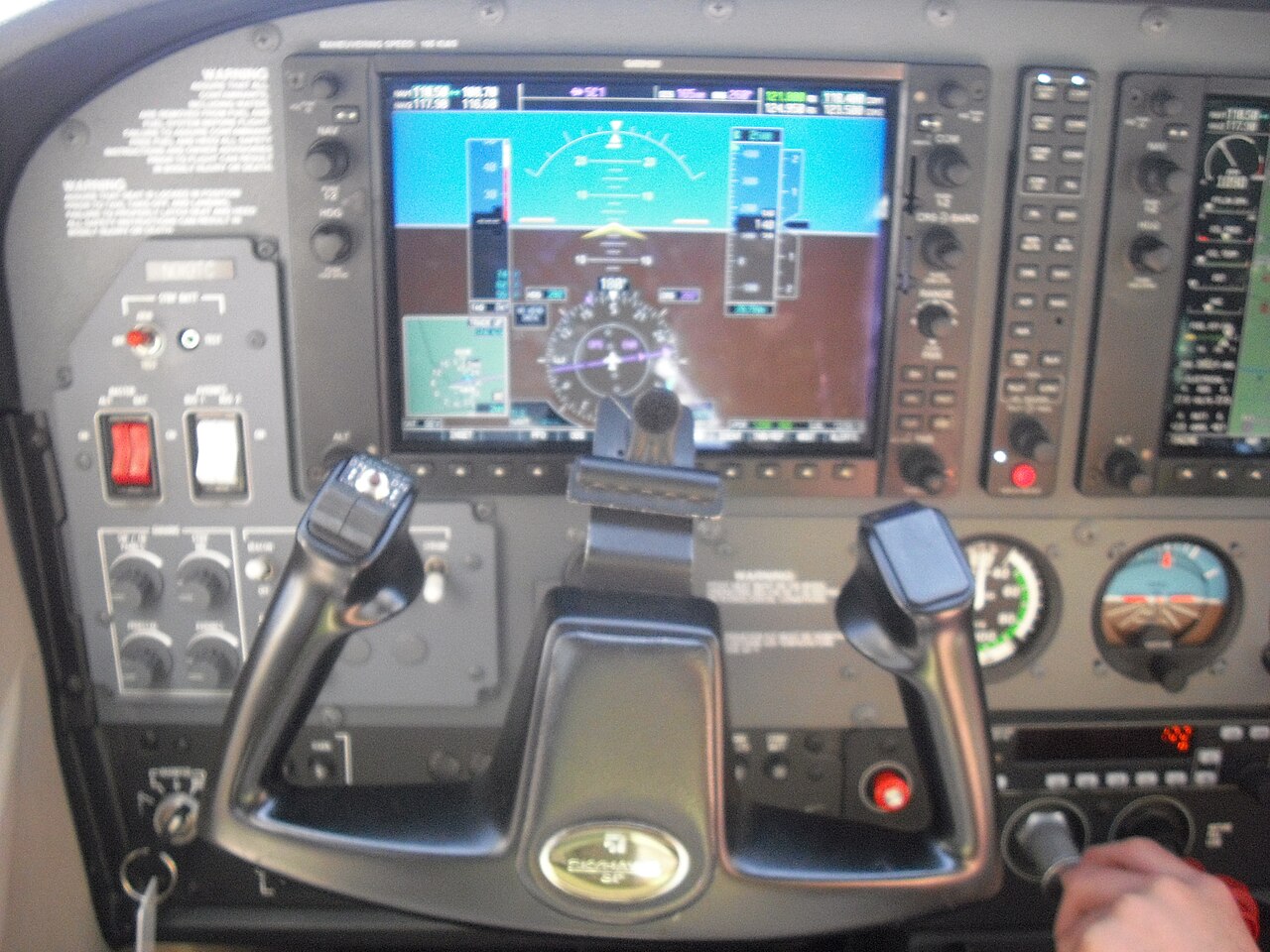
Instrument training develops the skills and judgment to fly under instrument flight rules. The emphasis is on aircraft control, procedures, workload management, and weather decisions, not simply following a display.
Bring your pilot certificate and logbook. Nikolas Mannino, CFI/CFII, will review your experience and help identify the ground and flight training needed for your instrument rating.
Apply, tell us your goals, and we will pair you with an instructor after review. Together, you will build a training plan around your starting point.
Practice attitude control, scan, navigation, and using the aircraft equipment without losing the bigger picture.
Work through IFR clearances, departures, holding, arrivals, approaches, missed approaches, and communication.
Combine flight planning, weather evaluation, fuel decisions, and abnormal situations in realistic lesson scenarios.
Review required experience, complete knowledge-test preparation, and train toward the practical-test standards with a CFII.
The plan is tailored to your logged experience and proficiency. Instrument-rated flying still requires weather judgment, suitable equipment, and respect for aircraft and pilot limitations.
Nikolas Mannino is listed as our CFI/CFII and can discuss instrument training and proficiency checks.
Yes. Instrument ground school can help you build the knowledge needed for flight lessons.
Your instructor confirms the requirements that apply to you. FAA reference.